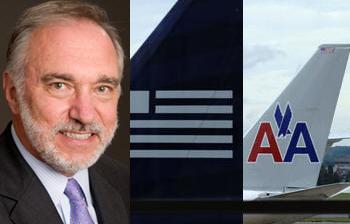
The airline industry is no stranger to turbulence, but the latest storm brewing between United Airlines and American Airlines isn’t about weather delays or baggage fees—it’s about a power play that could reshape U.S. aviation. United CEO Scott Kirby has gone on the offensive, publicly criticizing American Airlines for refusing to engage in merger discussions. The confrontation isn’t just corporate posturing; it’s a signal of deeper strategic fractures and competing visions for the future of air travel in America.
Kirby’s remarks, delivered during a recent industry forum, were unusually direct: “They’re making a mistake,” he said of American’s leadership. “Refusing to talk doesn’t protect competition—it protects inefficiency.” These aren’t idle words. Behind them lies a growing belief among top executives that consolidation is inevitable if U.S. carriers hope to compete globally, modernize aging fleets, and maintain profitability amid rising operational costs.
This isn’t the first time merger speculation has flared between the two giants. But what’s different now is the tone—United isn’t just floating rumors. It’s accusing American of undermining long-term industry stability by playing defense instead of thinking strategically.
Why United Wanted a Merger For United, the logic behind a potential merger with American is rooted in scale, global reach, and cost efficiency. Together, the two airlines would control nearly 40% of the U.S. domestic market, operate over 1,600 aircraft, and serve more than 500 destinations worldwide. The combined entity would rival Delta in size and could surpass it in transatlantic and Pacific route dominance.
More than just numbers, the synergy would extend to:
- Network optimization: Overlapping hubs (e.g., Chicago, Dallas, Washington D.C.) could be streamlined, reducing redundancy.
- Fleet modernization: Joint purchasing power for next-gen aircraft like the Boeing 787 and 777X would lower capital costs.
- Loyalty program integration: United’s MileagePlus and American’s AAdvantage—two of the most valuable loyalty portfolios—could create a powerhouse cash cow.
- Labor negotiations: A larger, unified workforce could strengthen collective bargaining without sacrificing pilot or crew standards.
But the core argument from United’s side isn’t about becoming “bigger”—it’s about becoming smarter. In an era where Middle Eastern carriers and European alliances dominate long-haul routes, U.S. airlines are fragmented. Kirby argues that only through consolidation can American carriers match the investment and service levels of Emirates, Lufthansa, or Air France-KLM.
American Airlines’ Resistance: Strategy or Stubbornness?
American Airlines’ refusal to enter talks isn’t based on emotional loyalty to independence—it’s a calculated stance. Leadership, including CEO Robert Isom, has repeatedly emphasized that American is committed to its current strategic plan: de-leveraging debt, upgrading customer experience, and growing selectively in international markets.
Their position rests on three key arguments:
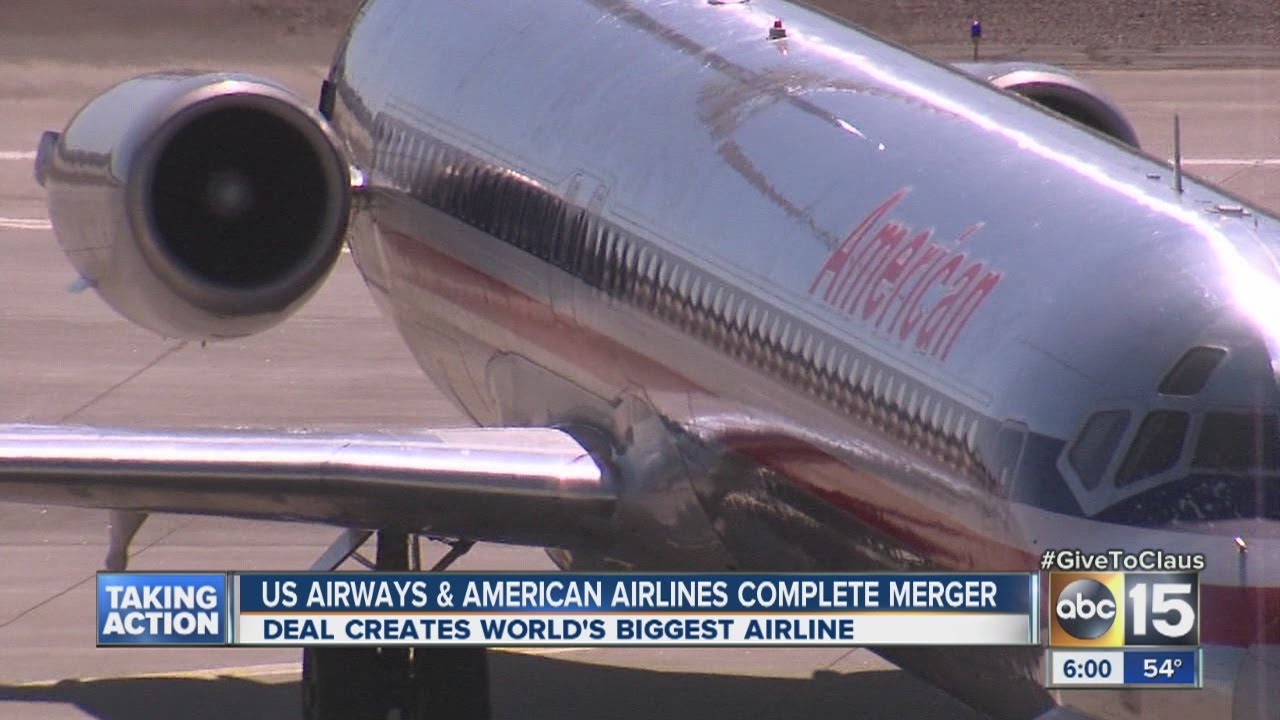
- Antitrust Risk: Any merger between the two largest U.S. carriers would face immediate scrutiny from the Department of Justice and the Federal Aviation Administration. Past mergers—like American-US Airways in 2013—required massive divestitures and concessions. A United-American union would be far more complex.
- Cultural Misalignment: United and American have vastly different operational cultures. United has invested heavily in digital transformation, premium cabins, and sustainability. American, while improving, still grapples with legacy systems and service inconsistencies.

- Shareholder Value Concerns: Mergers often create short-term disruption. Stock volatility, integration costs, and labor unrest can erode value. American’s board appears to believe they can grow independently without those risks.
There’s also a more subtle factor: ego. American views itself as a legacy leader—one of the founding pillars of U.S. aviation. Accepting a merger, even a “merger of equals,” would mean ceding control. And in corporate America, control is everything.
What a Merger Would Mean for Travelers
Passengers rarely care about M&A backroom drama—until it affects their travel. A United-American merger would bring both benefits and trade-offs.
Potential Benefits:
- More seamless connections: A single network could eliminate inefficient layovers and improve hub coordination.
- Expanded route options: Especially on transcontinental and international routes.
- Stronger loyalty rewards: A unified frequent flyer program could offer better redemption rates and elite benefits.
- Faster tech adoption: Shared investment in apps, kiosks, and customer service AI.
Likely Drawbacks:
- Fewer competitive choices: With Delta remaining independent, travelers might face less pricing pressure on key routes.
- Service disruption during integration: Think 2013 American-US Airways: years of IT glitches, inconsistent branding, and employee friction.
- Hub rationalization: Some cities could lose direct flights if routes are deemed duplicative. Smaller markets like Raleigh or Cincinnati might see reduced service.
Consider the Dallas-Fort Worth (DFW) and Chicago O’Hare (ORD) hubs. Both are major transfer points for American and United. Post-merger, one might be downgraded—costing local economies jobs and connectivity. That’s not just corporate strategy; it’s regional impact.
Industry Reaction: Skepticism Meets Speculation
Wall Street’s response has been mixed. Some analysts see merit in the consolidation argument. “The U.S. airline industry is over-capacity and under-earning,” said Janet Lee of Aviation Insights Group. “A merger could rationalize operations and stabilize pricing.”
But others warn of overreach. “This isn’t 2010,” said Michael Tran, transportation strategist at RBC Capital. “Regulators are hyper-sensitive to monopolistic behavior. Even discussing a merger between #1 and #2 carriers invites legal fire.”
Unions, meanwhile, are watching closely. The Association of Flight Attendants (AFA) issued a cautious statement: “Any merger must protect worker rights, maintain seniority, and avoid outsourcing.” They remember the chaos of past integrations—delays in pay raises, benefit changes, and job insecurity.
Even Delta has weighed in—quietly. While publicly neutral, internal memos suggest Delta sees the situation as an opportunity. If United and American spend years fighting regulators and integrating systems, Delta could solidify its lead in customer satisfaction and operational reliability.
The Real Obstacle: Regulation, Not Strategy
At the heart of this standoff is a fundamental truth: no airline merger happens without government approval. And in today’s political climate, that’s a high bar.
The Biden administration has taken a strong stance against corporate consolidation. The DOJ already blocked JetBlue’s partnership with Spirit, citing antitrust concerns. A United-American merger would be at least five times more consequential.
Even if both airlines agreed tomorrow, the approval process would take years. The FAA, DOJ, and possibly Congress would scrutinize every aspect:
- Market concentration in major cities
- Impact on low-cost carriers like Frontier and Allegiant
- Labor implications for pilots, flight attendants, and ground staff
- Consumer pricing models
United may believe the long-term case is strong, but American knows the regulatory odds are stacked against it. Why waste time and capital on a deal that’s unlikely to clear?
What’s Next for United—and the Industry?
United isn’t backing down. Even without a merger, Kirby is signaling a shift in strategy. The airline is accelerating international growth, expanding its Polaris business class, and investing in sustainable aviation fuel (SAF). The message is clear: if American won’t partner, United will out-innovate.
There are also quieter, less flashy alternatives to a full merger:
- Joint ventures on specific routes (e.g., transatlantic)
- Slot swaps at congested airports like Reagan National
- Loyalty program partnerships without full integration
These could deliver some benefits of consolidation without triggering antitrust alarms. In fact, United already has joint ventures with Air Canada and Lufthansa—models that could be extended.
But make no mistake: Kirby’s public criticism is a pressure tactic. By framing American as resistant to progress, United positions itself as the forward-thinking leader. That narrative matters—not just to regulators, but to investors, employees, and customers.
A Defining Moment for U.S. Aviation
The clash between United and American isn’t just about one CEO’s frustration. It’s about competing philosophies: evolution through integration versus independence through improvement.
United sees consolidation as survival. American sees autonomy as strength. Both have valid points. But the industry can’t remain stagnant. High fuel costs, climate pressures, aging fleets, and global competition demand bold action.
If a merger isn’t feasible—and right now, it likely isn’t—then alternatives must be pursued aggressively. Whether through alliances, technology sharing, or customer experience innovation, the goal should be better service, not just bigger balance sheets.
For travelers, the outcome matters. The choices made today will shape how—and how affordably—they fly in the decade ahead.
The ball is in American’s court. But the industry is watching, waiting, and wondering: is resistance truly strength, or just fear of change?
What did United CEO Scott Kirby say about American Airlines? Scott Kirby criticized American Airlines for refusing merger talks, stating they are “making a mistake” and protecting inefficiency rather than competition.
Why hasn’t American Airlines agreed to merger talks? American Airlines cites antitrust risks, cultural differences, potential disruption, and a belief in its current growth strategy as reasons for not engaging in merger discussions.
Would a United-American merger reduce flight options? Possibly. While international routes might expand, domestic duplication could lead to hub rationalization, reducing service in some smaller markets.
How would passengers benefit from a merger? Travelers could see improved connections, a stronger loyalty program, better international coverage, and faster adoption of new technology and services.
Could the U.S. government approve a United-American merger? Unlikely in the current regulatory climate. The DOJ has shown strong opposition to airline consolidation, especially between the two largest carriers.
What are alternatives to a full merger? Options include joint ventures on key routes, slot swaps at busy airports, and deeper loyalty program partnerships without full integration.
Is United pursuing other growth strategies? Yes. United is expanding its international network, upgrading cabins, investing in sustainable aviation fuel, and strengthening existing airline partnerships.
FAQ
What should you look for in United Chief Slams American Airlines Over Merger Rejection? Focus on relevance, practical value, and how well the solution matches real user intent.
Is United Chief Slams American Airlines Over Merger Rejection suitable for beginners? That depends on the workflow, but a clear step-by-step approach usually makes it easier to start.
How do you compare options around United Chief Slams American Airlines Over Merger Rejection? Compare features, trust signals, limitations, pricing, and ease of implementation.
What mistakes should you avoid? Avoid generic choices, weak validation, and decisions based only on marketing claims.
What is the next best step? Shortlist the most relevant options, validate them quickly, and refine from real-world results.